Wondering how does mold removal work? Our guide covers the professional process from inspection and containment to removal and prevention. Contact us today!
What Is The Difference Between Mold Removal And Mold Remediation?
 Discovering mold in your home or business can be alarming. Your first instinct might be to simply clean it away, but this often isn’t enough. Therefore, understanding what is the difference between mold removal and mold remediation is crucial for effectively handling the problem and protecting both your property and your health. While the terms are often used interchangeably, they represent two very different levels of service.
Essentially, one is a simple cleaning action, while the other is a comprehensive solution designed to address the problem at its source. Making the wrong choice can lead to recurring mold growth, continued property damage, and potential health risks. This guide will clarify the distinction to help you make an informed decision.
Understanding Mold Removal: A Surface-Level Solution
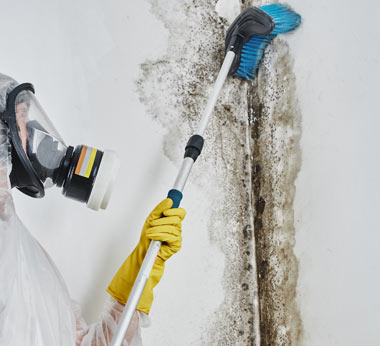
Mold removal is exactly what it sounds like: the process of physically eliminating visible mold colonies from a surface. This typically involves scrubbing, wiping, or applying biocides to affected areas. For example, you might perform a basic mold removal when you clean a small patch of mildew off your shower tiles.
However, this approach has significant limitations. Mold removal does not address the underlying moisture issue that allowed the mold to grow in the first place. Furthermore, it doesn’t account for microscopic mold spores that may have become airborne and spread to other parts of the building. Simply cleaning the visible part of the problem is often just a temporary fix.
When is Mold Removal Appropriate?
According to the Environmental Protection Agency (EPA), a DIY mold removal approach might be suitable for very small, contained areas. Specifically, if the affected area is less than about 10 square feet, a simple removal could be sufficient, provided the underlying moisture problem is also fixed.
- A minor patch of mold on a non-porous surface like bathroom tile.
- A small spot on a wall caused by a single, quickly resolved spill.
- Superficial mildew that has not penetrated deep into the material.
Importantly, even in these cases, if you don’t stop the source of moisture, the mold will almost certainly return.
Exploring Mold Remediation: A Comprehensive Approach
Mold remediation is a far more scientific and thorough process. The goal isn’t just to remove visible mold but to return the environment to a state with normal, safe mold levels. Consequently, remediation involves identifying and eliminating the moisture source, containing the contaminated area to prevent cross-contamination, and verifying that the issue has been resolved.
A professional remediation project follows a strict, multi-step protocol. These steps ensure the problem is handled completely and safely.
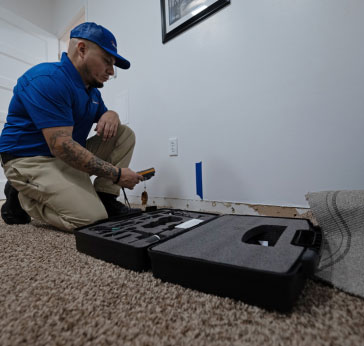
- Assessment and Inspection: Professionals begin with a detailed inspection, often including comprehensive mold testing, to determine the extent of the contamination and identify the moisture source.
- Containment: The affected area is sealed off using physical barriers and negative air pressure to prevent spores from spreading during the cleanup process.
- Air Filtration: High-efficiency particulate air (HEPA) filters and air scrubbers are used to capture airborne mold spores and other contaminants.
- Removal and Cleaning: This step involves removing mold-infested porous materials like drywall, insulation, and carpeting. Non-porous surfaces are cleaned, sanitized, and treated with antimicrobial coatings.
- Source Resolution: Crucially, remediation includes addressing the source of the moisture, whether it’s a leaky pipe, a foundation crack, or high humidity.
- Verification: After the work is done, a post-remediation verification may be performed to confirm that the area is truly clean and safe.
Why Knowing What is the Difference Between Mold Removal and Mold Remediation Matters
Choosing the right service is not just a matter of semantics; it has real-world consequences for your health and property. Opting for simple removal when full remediation is needed can be a costly mistake. For instance, scrubbing a large mold colony can release a massive cloud of spores, spreading the contamination throughout your property and worsening the problem.
Moreover, the health risks associated with mold exposure are significant. The Centers for Disease Control and Prevention (CDC) notes that mold can cause nasal stuffiness, throat irritation, coughing, and eye irritation. For people with mold allergies or compromised immune systems, the effects can be much more severe. Therefore, understanding what is the difference between mold removal and mold remediation is key to ensuring your living space is truly safe.
Which Service Do You Actually Need?
So, how do you decide which path to take? The answer depends entirely on the scope and nature of your mold problem. Here is a simple framework to guide your decision.
You Might Need Mold Removal If:
- The moldy area is small and isolated (less than 10 square feet).
- The mold is growing on a hard, non-porous surface.
- You have already identified and fixed the moisture source that caused it.
You Likely Need Mold Remediation If:
- The mold growth covers an area larger than 10 square feet.
- You notice a strong, musty odor but cannot see the source, suggesting hidden mold.
- You have experienced recent, significant water damage from a flood or major leak.
- There is potential mold growth in your HVAC system, which can spread spores throughout the building.
- The property’s occupants are experiencing allergy-like symptoms that worsen indoors.
Key Takeaways: Mold Removal vs. Remediation
In summary, the distinction between these two services is clear. Mold removal is a surface-level cleaning action, while mold remediation is a holistic process that eliminates the problem and its cause. While removal can be a quick fix for tiny issues, remediation is the only true solution for significant contamination.
Ultimately, the most critical step in any mold situation is addressing the moisture. Without controlling the water source, no amount of cleaning will prevent mold from returning. If you are ever in doubt about the severity of your mold issue or what the best course of action is, consulting a certified professional is the safest and most effective choice.
If you’re unsure how what is the difference between mold removal and mold remediation applies to your property, don’t guess. Contacting a team of experts for an assessment ensures the job is done right the first time. Get in touch with us for professional mold services and restore your peace of mind.
Related Posts