Learn what is the difference between mold removal and mold remediation. One just cleans, the other solves the root cause. Get a professional assessment now!
How Does Mold Removal Work?
 Discovering mold in your home can be alarming, raising immediate questions about health risks and property damage. Consequently, many homeowners find themselves asking: how does mold removal work? The process, often called mold remediation, is more complex than simply scrubbing a surface. It involves a systematic approach to identify, contain, and eliminate mold while addressing the underlying moisture problem that allowed it to grow. Therefore, understanding the professional methodology is crucial for ensuring a safe and lasting solution.
Why You Shouldn’t Ignore Mold Growth
Before diving into the removal process, it’s vital to understand why prompt action is necessary. Mold isn’t just an unsightly nuisance; it can pose significant risks. For example, certain types of mold release mycotoxins, which can cause allergic reactions, respiratory issues, and other health problems, particularly in sensitive individuals. Furthermore, mold actively digests organic materials like wood, drywall, and insulation. Over time, this can compromise your home’s structural integrity. According to the U.S. Environmental Protection Agency (EPA), addressing both the mold and the moisture source is essential to prevent it from returning.
The Professional Mold Remediation Process: A Step-by-Step Breakdown
Professional mold remediation follows a strict set of procedures designed to protect both the technicians and the building’s occupants. Each step is deliberate and serves a specific purpose in achieving a mold-free environment. This structured approach is the core of a successful project.
Step 1: Inspection and Damage Assessment
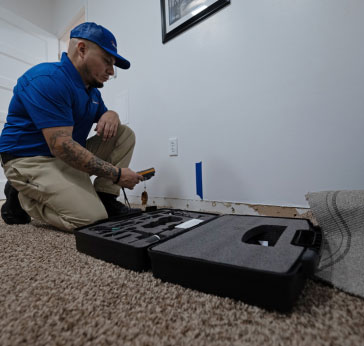
The first step is always a thorough inspection. A certified professional will assess the extent of the mold growth, often using moisture meters and other diagnostic tools to find hidden mold behind walls or under floors. Importantly, this phase also involves identifying the source of the moisture that is feeding the mold. In some cases, this may require professional mold testing to identify the specific species of mold present and the concentration of spores in the air.
Step 2: Containment of the Affected Area
To prevent mold spores from spreading to unaffected areas of your home during the cleanup, professionals establish strict containment. This typically involves using polyethylene sheeting to seal off the contaminated room. Additionally, they often create negative air pressure by using fans to exhaust air outdoors, which helps keep airborne spores from migrating. This containment is a critical difference between professional service and a DIY attempt.
Step 3: Air Filtration
During the removal process, mold spores, dust, and other debris can become airborne. Therefore, high-efficiency particulate air (HEPA) filters and air scrubbers are used to capture these microscopic particles from the air. This air filtration continues throughout the project, significantly improving the air quality and ensuring that once the mold is gone, the spores are too.
Step 4: Removing Mold and Infested Materials
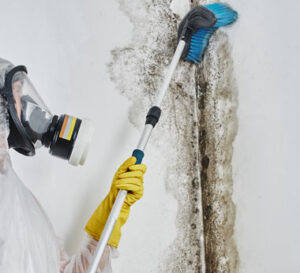
This is the stage where the actual removal happens. The specific method depends on the type of material affected. Non-porous surfaces like metal or glass can usually be cleaned and sanitized. However, porous materials such as drywall, insulation, and carpet that are heavily infested must often be removed, bagged, and discarded according to environmental regulations. This step is fundamental to understanding how does mold removal work, as incomplete removal will lead to regrowth.
Step 5: Cleaning and Sanitizing
After removing the contaminated materials, the remaining surfaces, including wood framing, flooring, and personal belongings, must be thoroughly cleaned. Professionals use antimicrobial and antifungal treatments to eliminate any remaining mold colonies. They may also use techniques like HEPA vacuuming to remove residual spores from all surfaces.
Step 6: Restoration
The final step is restoration. This involves repairing or replacing any materials that were removed, such as installing new drywall, painting, or laying new carpet. The goal is to return your home to its pre-mold condition. A proper restoration also includes ensuring the original moisture problem, like a leaky pipe or poor ventilation, has been fully resolved by addressing the source of moisture.
What Are the Key Factors in How Does Mold Removal Work Effectively?
Simply scrubbing visible mold is not enough. Several factors determine the success of a remediation project and are central to the question, ‘how does mold removal work effectively?’ A professional approach considers all these elements to ensure the problem is solved completely.
- Identifying the Moisture Source: Without fixing the underlying leak or humidity issue, mold will inevitably return. This is the most critical factor for long-term success.
- Proper Containment: Preventing cross-contamination is non-negotiable. Failure to contain the area can spread a localized problem throughout the entire house.
- Thorough Removal, Not Just Killing: Simply killing mold (e.g., with bleach) is insufficient. The dead spores can still cause allergic reactions and must be physically removed from the property.
- Using Professional-Grade Equipment: HEPA vacuums, air scrubbers, and commercial-grade dehumidifiers are tools that make a significant difference in the outcome.
- Verification and Post-Testing: After the job is done, a professional may recommend post-remediation verification to ensure the area is truly clean and spore counts have returned to normal levels.
DIY vs. Professional Mold Removal
For a very small, contained area of mold (less than 10 square feet, per EPA guidelines), a DIY approach might seem tempting. However, the risks are substantial. Improper handling can release a massive number of spores into the air, worsening the problem and increasing health risks. Professionals, in contrast, have the training, experience, and equipment to handle the job safely. For significant issues like basement mold remediation, hiring a certified company is the only way to guarantee the job is done right. You can find more answers to your questions by reviewing frequently asked questions about mold from experts.
Final Thoughts: Your Next Steps for a Mold-Free Home
Ultimately, understanding how mold removal works reveals it as a precise, multi-step science. From the initial inspection to the final restoration, every phase is designed to permanently eliminate the hazard and protect your property and health. It requires specialized knowledge to address not just the visible symptoms but the root cause. If you suspect you have a mold problem, the safest and most effective course of action is to contact a certified remediation specialist. They can provide a thorough assessment and execute a plan that ensures your home is clean, safe, and truly mold-free. For more information from a trusted source, the CDC offers guidelines on mold cleanup and safety.
Related Posts