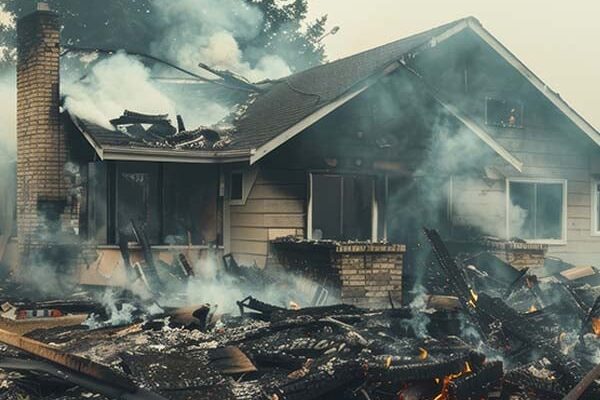
Can a clogged dryer vent cause a fire? Yes. Lint buildup is a major fire hazard, causing overheating that can ignite and lead to a dangerous house fire....
What Is Smoke And Odor Removal?
 After a fire, flood, or other damaging event, property owners often ask, what is smoke and odor removal? Simply put, it is a specialized, multi-step professional service designed to permanently eliminate persistent and unpleasant odors from a property. Unlike air fresheners that only mask smells, this process targets the odor-causing molecules at their source, ensuring a clean, healthy, and livable environment. Consequently, understanding this process is crucial for anyone looking to restore their property’s air quality and value.
Common Sources of Persistent Odors in a Home
Lingering odors can stem from a variety of sources, each requiring a specific approach for effective elimination. While some are obvious, others can be hidden and difficult to pinpoint. For example, smoke from a house fire is a primary culprit. Smoke particles are incredibly small and can penetrate porous materials like drywall, wood, and textiles, making them notoriously difficult to remove. Therefore, professional intervention is almost always necessary.
Additionally, other significant sources include:
- Mold and Mildew: Often resulting from unresolved water damage mitigation issues, mold produces a musty smell that indicates active growth and potential health hazards.
- Pets: Accidents and dander can lead to deeply embedded odors in carpets and upholstery.
- Cigarette Smoke: Similar to fire smoke, tobacco residue creates a sticky film that clings to every surface.
- Decomposition: Unfortunately, unattended deaths or pest infestations can create severe and hazardous odors.
The Professional Process: A Deeper Look into What is Smoke and Odor Removal?
A professional approach is systematic and thorough. Importantly, it goes far beyond simple cleaning. The process involves identifying the source, cleaning the affected areas, and then treating the air and surfaces with advanced technology. This ensures that the problem is solved completely, not just temporarily hidden. The exact steps may vary, but they generally follow a proven methodology for success.
Step 1: Comprehensive Assessment and Source Identification
The first step is always a detailed inspection. Professionals assess the extent of the damage to determine the source and type of odor. This allows them to create a customized plan of action. For instance, odors from a fire damage cleanup project will require a different strategy than those from a mold problem. This initial evaluation is critical for achieving permanent results.
Step 2: Cleaning and Removal of Source Materials
Before any deodorization can begin, the source of the smell must be removed. This could involve disposing of charred materials after a fire, cleaning or removing soiled carpets, or completing a full mold remediation. All affected surfaces are then thoroughly cleaned with specialized cleaning agents that begin to break down odor-causing residues. This physical cleaning is a non-negotiable part of the process.
Step 3: Advanced Deodorization Techniques
Once the area is clean, professionals employ advanced equipment to neutralize any remaining odor particles in the air and embedded in surfaces. Common techniques include:
- Thermal Fogging: This process heats a deodorizing agent, creating a fine mist or ‘fog’ that mimics the behavior of smoke. As a result, it can penetrate materials just as the original smoke did, neutralizing odors within them.
- Ozone Generation: Ozone (O3) is a highly reactive molecule that oxidizes odor-causing compounds, effectively destroying them. This is a powerful tool but must be used by professionals in unoccupied spaces due to safety concerns.
- Hydroxyl Generators: These machines use UV light to create hydroxyl radicals, which are safe for use in occupied areas and work to break down odors in the air and on surfaces over time.
- Air Scrubbers: High-efficiency particulate air (HEPA) filters and activated carbon filters are used in air scrubbers to capture particles and chemicals from the air, as recommended by authorities like the Environmental Protection Agency (EPA).
Why is DIY Odor Removal Often Ineffective?
Many homeowners are tempted to try DIY solutions first, such as candles, sprays, or household cleaners. However, these methods typically fail for several reasons. Firstly, they usually only mask the odor temporarily without addressing the root cause. The smell will inevitably return. Secondly, without proper equipment, it’s impossible to treat odors that have penetrated deep into porous materials. Finally, some sources, like mold or post-fire soot, can pose health risks that require professional handling and personal protective equipment, a point often emphasized in FEMA guidelines for post-disaster cleanup.
The Role of HVAC Systems in Odor Distribution
An often-overlooked aspect of odor problems is the heating, ventilation, and air conditioning (HVAC) system. Your ductwork can act as a highway, distributing smoke, mold spores, and other unpleasant smells throughout the entire property. Therefore, a crucial part of any thorough service is addressing the HVAC system. A professional air duct and coil cleaning is essential to remove contaminants and prevent the re-circulation of bad odors. Skipping this step can lead to a quick recurrence of the problem.
Key Takeaways on Smoke and Odor Removal
In conclusion, understanding what is smoke and odor removal is the first step toward restoring your property to a safe and pleasant state. It is not a simple cleaning task but a scientific process that requires specialized knowledge, techniques, and equipment. From identifying the source to using advanced technology like thermal fogging and ozone generation, professionals ensure that odors are not just masked but permanently eliminated. For a healthy home and complete peace of mind, trusting experts is the most effective solution.
Related Posts