
Wondering what is water damage mitigation? Learn the crucial first steps to prevent further harm, from water removal to drying and sanitizing your proper...
How Do You Remove Mold From Drywall?
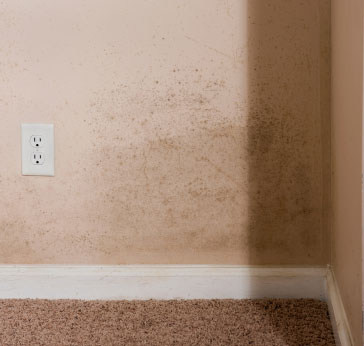 Mold is a type of fungus that thrives in damp, dark, and humid environments. Drywall, being a porous material made of paper and gypsum, provides an ideal food source when moisture is introduced. Consequently, the primary cause of mold on drywall is excess moisture. This can stem from various sources, including plumbing leaks, roof leaks, high indoor humidity, condensation, or flooding. Therefore, simply cleaning the mold is only half the battle; you must also identify and fix the underlying moisture problem to prevent its return. For persistent issues, it’s wise to consider addressing the source of moisture with professional help.
Safety First: Essential Precautions Before You Begin
Before you even think about scrubbing, prioritizing your safety is paramount. Mold spores can become airborne during cleaning and cause respiratory issues, allergic reactions, and other health problems. Furthermore, some cleaning agents can be harsh. Always protect yourself by using the proper personal protective equipment (PPE).
Essential Safety Gear
- N95 Respirator Mask: To prevent inhaling airborne mold spores.
- Safety Goggles: To protect your eyes from spores and cleaning solutions.
- Gloves: Long, non-porous rubber gloves are ideal to protect your hands.
- Old Clothing: Wear long sleeves and pants that you can wash in hot water or discard afterward.
Additionally, ensure the area is well-ventilated by opening windows and using fans to direct air outside. You should also seal off the affected room from the rest of the house with plastic sheeting and tape to prevent cross-contamination.
A Step-by-Step Guide: How Do You Remove Mold From Drywall?
For surface mold covering less than 10 square feet, a DIY approach can be effective. If the mold covers a larger area or if the drywall is soft and crumbling, the material is likely compromised and should be replaced by a professional. For manageable spots, follow these steps carefully.
Step 1: Prepare the Cleaning Solution
You have several options for a cleaning solution. A simple mixture of one part household detergent to ten parts water is a great starting point for scrubbing away surface mold. For a stronger, disinfecting solution, you can use a 1:10 ratio of bleach to water, as recommended by the CDC for non-porous surfaces. However, never mix bleach with ammonia or other cleaning products, as it creates toxic gas. A gentler alternative is a 50/50 solution of white vinegar and water, which can kill many types of mold.
Step 2: Gently Scrub the Affected Area
Apply your chosen cleaning solution to the moldy area using a spray bottle or a sponge. Importantly, do not oversaturate the drywall, as this can add more moisture and worsen the problem. Let the solution sit for a few minutes to work on the mold. Then, use a soft-bristled brush or a scrub sponge to gently scrub the surface mold away. Wipe the area clean with a damp cloth afterward.
Step 3: Dry the Drywall Completely
Drying is a critical step. Use fans and a dehumidifier to thoroughly dry the cleaned area for at least 24-48 hours. The drywall must be completely dry to the touch before you proceed. Any remaining moisture will only invite the mold to return, undoing all your hard work.
Step 4: Seal and Prime
Once the drywall is completely dry, you should apply a mold-resistant primer or a shellac-based sealer. This step is crucial as it creates a barrier that helps prevent any residual, deep-set spores from growing back through the surface. After the primer is dry, you can repaint the wall to match its original color, restoring its appearance.
When Should You Call a Professional Instead?
While DIY methods are suitable for minor issues, some situations demand expert intervention. Knowing when to step back is key to ensuring the problem is resolved safely and effectively. You should call for professional mold removal if:
- The moldy area is larger than 10 square feet.
- The mold returns after you’ve cleaned it.
- The mold is caused by sewage or contaminated water.
- You suspect mold is growing inside the walls, not just on the surface.
- The drywall is soft, warped, or crumbling.
- You or your family members are experiencing health symptoms related to mold.
A professional service understands the key differences between mold removal and remediation. They have the equipment for containment and can perform professional mold testing to assess the full scope. Ultimately, if you’re ever unsure about how do you remove mold from drywall safely, calling an expert is the smartest choice.
Final Thoughts on a Mold-Free Home
In conclusion, removing mold from drywall is a process that requires careful attention to safety, a methodical cleaning approach, and a commitment to solving the root moisture problem. For small areas of surface mold, the steps outlined above can restore your walls to a clean, healthy state. However, for extensive or recurring mold issues, the expertise of a professional remediation company is invaluable. As a result, you can ensure the health of your home and family is protected. According to the Environmental Protection Agency (EPA), controlling moisture is the key to controlling mold.
Related Posts


