
Wondering what is water damage mitigation? Learn the crucial first steps to prevent further harm, from water removal to drying and sanitizing your proper...
Can I Remove Mold Myself?
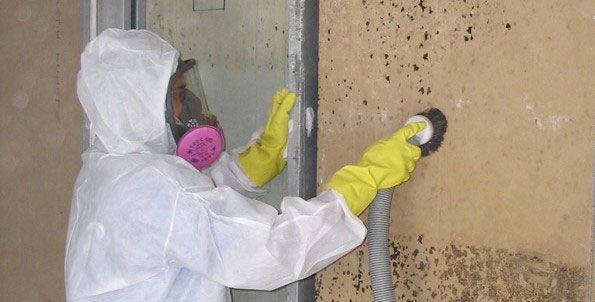 Before you grab a bottle of bleach and a sponge, it’s essential to understand the potential dangers of improper mold cleanup. Disturbing mold colonies without proper containment can release millions of microscopic spores into the air, spreading the contamination to other parts of your home. Furthermore, this process can create a serious inhalation hazard for anyone in the building.
Health Risks from Mold Exposure
Exposure to mold spores can trigger a range of health problems, from allergic reactions like sneezing and skin rashes to asthma attacks and other severe respiratory issues. According to the Centers for Disease Control and Prevention (CDC), some people are more sensitive to mold than others. Consequently, what might be a minor irritant for one person could be a significant health threat for another, especially for children, the elderly, or those with compromised immune systems. Therefore, minimizing exposure is paramount during any cleanup effort.
Risk of Incomplete Removal and Structural Damage
A common mistake in DIY mold removal is only cleaning the visible surface growth. Mold often has deep, unseen roots, especially in porous materials like drywall, wood, and insulation. Simply wiping the surface doesn’t eliminate the underlying problem. As a result, the mold will likely return quickly. Moreover, persistent mold growth can slowly eat away at organic building materials, potentially compromising the structural integrity of your home over time. Professional mold remediation services use specialized techniques to ensure the entire colony is eradicated.
Making the Problem Worse
Using the wrong cleaning agents or techniques can exacerbate the issue. For instance, using a high-pressure spray or a dry brush can dislodge spores and force them deeper into materials or launch them into the air. Similarly, failing to address the underlying moisture problem that caused the mold in the first place means it’s only a matter of time before it grows back. Effective mold removal always involves addressing the source of moisture, which is a critical step professionals are trained to identify and resolve.
When Is It Okay to Ask ‘Can I Remove Mold Myself?’
The U.S. Environmental Protection Agency (EPA) provides guidelines on this very topic. Generally, a DIY approach is only recommended for small, isolated areas of mold, defined as less than 10 square feet. If you find a small patch and decide to proceed, you must take extensive safety precautions. The question Can I remove mold myself? should always be followed by, “Do I have the right safety gear and knowledge?”
For a small, manageable project, you will need the following personal protective equipment (PPE):
- An N-95 respirator mask to prevent inhaling airborne spores.
- Goggles to protect your eyes from spores and cleaning solutions.
- Non-porous gloves (long, rubber gloves are best) to protect your hands.
- Disposable coveralls to keep spores off your clothes and skin.
The EPA’s guide on mold cleanup recommends using a solution of detergent and water to scrub the mold off hard surfaces. Importantly, you should never mix bleach with ammonia or other household cleaners, as this can create toxic fumes. After cleaning, the area must be dried completely to prevent regrowth. However, even for small jobs, if you have any health concerns or are unsure about the process, professional help is the safest and most effective choice.
Signs You Absolutely Need a Professional Mold Removal Service
While a tiny patch of mildew on your shower tile might be a DIY job, many situations demand professional intervention. Calling an expert is not a sign of failure but a smart decision to protect your home and health. You should always hire a professional if you encounter any of the following red flags:
- The moldy area is larger than 10 square feet: This indicates a more significant, potentially systemic problem that requires professional containment and equipment.
- You smell a musty odor but can’t see the mold: This often means mold is growing behind walls, under floors, or within your HVAC system. Professionals use tools like moisture meters and infrared cameras to find hidden mold without unnecessary demolition.
- The mold growth is the result of a major water event: If you’ve had flooding or a significant leak from contaminated water (like sewage), the area requires comprehensive mold removal and remediation to handle biohazards correctly.
- Someone in your household has a compromised immune system or severe allergies: In these cases, the health risks associated with airborne spores are too high for a DIY attempt.
- You suspect the mold might be a toxic variety: While only professional mold testing can confirm the type, extensive, dark-colored mold should be treated with extreme caution by trained technicians.
Ultimately, a professional service does more than just clean the mold. They establish containment zones, use HEPA air scrubbers to purify the air, and properly dispose of contaminated materials, ensuring the problem is solved completely and safely.
Final Thoughts: Making the Right Choice for Your Home
So, let’s return to our original question: Can I remove mold myself? The answer is a qualified ‘yes’ for only the smallest, most contained instances on hard, non-porous surfaces. For anything more substantial, the risks of improper removal—including spreading contamination, causing health problems, and failing to solve the root issue—far outweigh the potential savings. A professional assessment provides peace of mind and ensures the job is done right the first time.
Furthermore, remember that mold is a symptom of an underlying moisture issue. Whether you clean it yourself or hire a pro, you must identify and fix the water source to prevent the mold from returning. This could involve fixing a leaky pipe, improving ventilation in a bathroom, or waterproofing a basement. Without this crucial step, any cleanup effort is only a temporary fix.
If you’re facing a mold problem and are unsure of the next steps, don’t hesitate to seek expert advice. A professional consultation can help you understand the scope of the issue and determine the safest, most effective course of action for your home and family. Contact us today to ensure your property is clean, safe, and mold-free.
Related Posts


